

The Foundations of Web Routing: Hostnames, IPs, and DNS
Learn how IP formats differ, how hostnames are structured, and how the resolution process works.

IP Address Fundamentals
An IP address is a numerical identifier assigned to each device connected to a network. It serves as the actual location reference for machines to communicate across the internet.
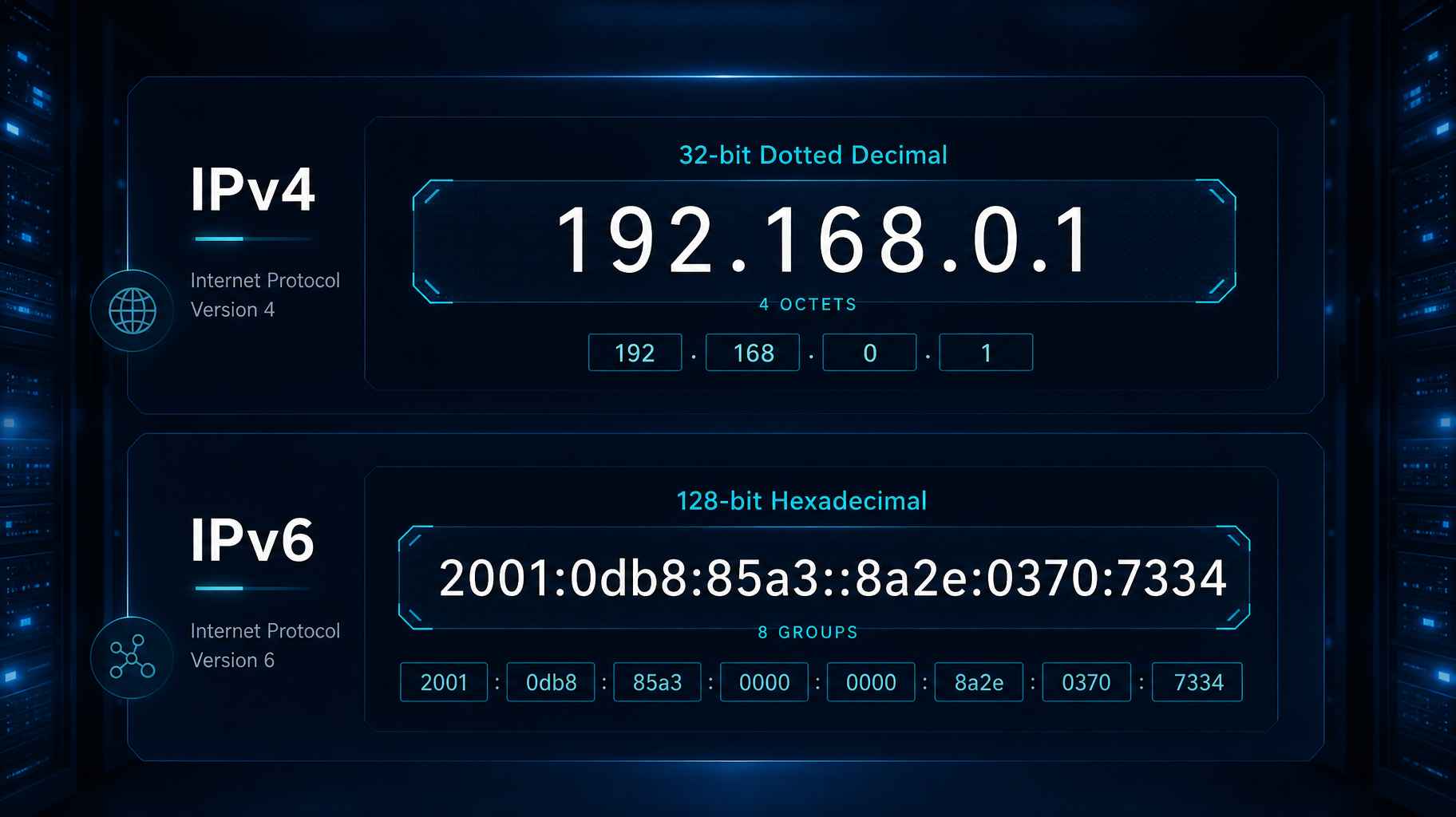
There are two primary formats:
- ✓IPv4: A 32-bit address written in dotted decimal notation (e.g.,
192.168.0.1) - ✓IPv6: A 128-bit address written in hexadecimal and separated by colons (e.g.,
2001:0db8:85a3::8a2e:0370:7334)
IPv4 remains widely used, but IPv6 adoption is increasing due to the exhaustion of IPv4 space and the scalability demands of modern infrastructure.
DNS Resolution Process
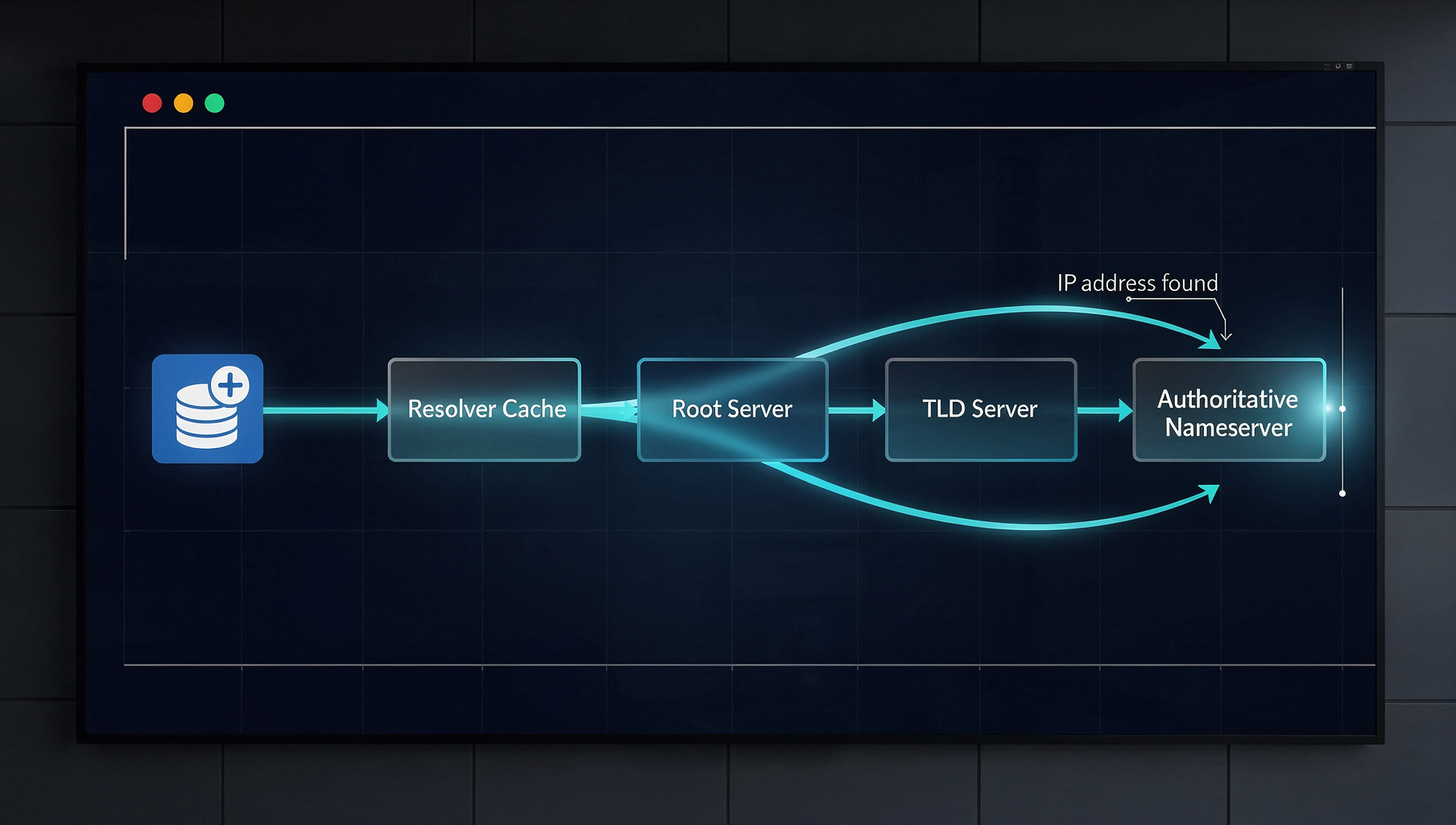
When a user enters a hostname into a browser, the system initiates a DNS resolution process to retrieve the corresponding IP address. This process includes:
- Checking the browser’s cache
- Querying the operating system’s resolver cache
- Contacting the configured DNS resolver (often provided by the ISP or a public DNS service)
- The resolver then queries:
- The root DNS server
- The appropriate Top-Level Domain (TLD) server
- The authoritative nameserver for the domain
Once the IP address is retrieved, the browser uses it to establish a connection with the destination server.

Common Misconfigurations and Pitfalls
- Accessing a site via IP instead of hostname can trigger SSL errors.
- DNS records that are misconfigured or outdated can lead to site downtime or incorrect routing.
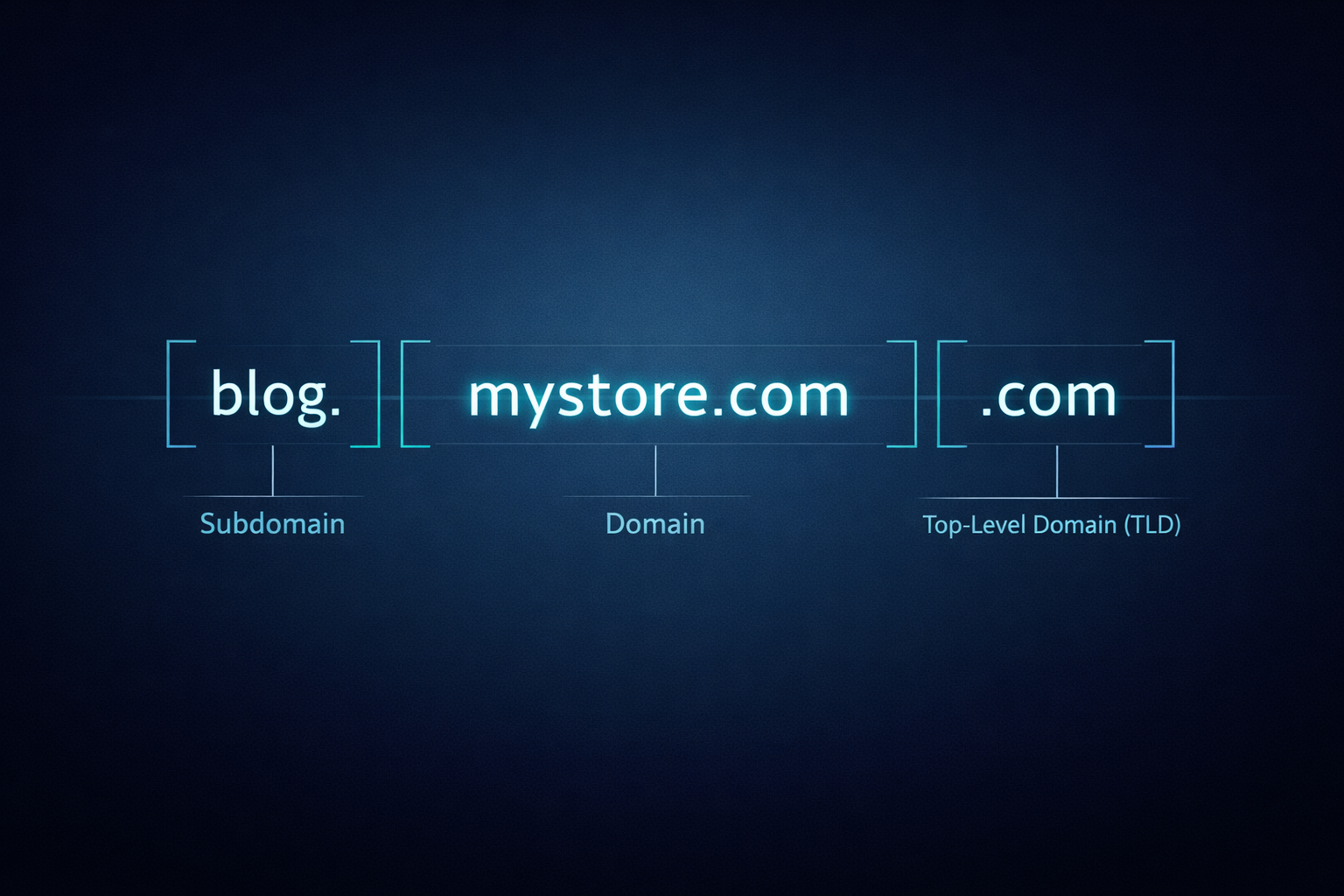
- Hostnames ending in
.localare typically used in mDNS environments (e.g., Apple Bonjour) and are not resolvable via public DNS.
Use Cases and Relevance
- Bloggers may encounter SSL errors when previewing staging environments via IP.
- Online store owners may experience broken checkout flows due to DNS misrouting.
- Developers often use tools like
digornslookupto verify DNS propagation and troubleshoot connectivity.
Key Takeaways
-
•IP addresses are machine-readable and essential for routing.
-
•Hostnames are human-readable and used for convenience and certificate validation.
-
•DNS is the system that bridges hostnames and IPs.
-
•SSL certificates depend on hostname resolution, not IP access.
-
•Proper DNS configuration is critical for uptime, security, and performance.