
Course Content
Module 1: Domain Name Basics: Your Website’s Digital Address
Module Purpose: To introduce the fundamental concept and structural components of domain names, clarifying their role as a website's primary digital address.
0/4
Module 2: DNS & Domain Resolution: Connecting Names to Numbers
Module Purpose: To demystify the Domain Name System (DNS) and explain precisely how domain names are translated into IP addresses, enabling users to access websites.
0/4
Module 3: Domain Security & Best Practices: Protecting Your Digital Identity
To educate users on essential security practices for protecting their domain names and DNS configurations against common threats like hijacking and misconfiguration.
0/4
Understanding Domain Names: A Beginner’s Course to Web Identity

Web Identity Under Attack: Securing Your Domain Name

Learn how to protect your highest-value digital asset from unauthorized transfers, cache poisoning, and phishing.

A secure browser URL bar displaying a locked padlock icon on a digital dashboard.
Actionable steps to protect registrar accounts, DNS configurations, and ownership integrity.

Overview

Domain names are high-value assets. If compromised, they can be redirected, impersonated, or used to distribute malware. This lesson outlines the most common threats to domain security and provides actionable steps to protect registrar accounts, DNS configurations, and ownership integrity.


A network routing diagram showing safe domain traffic versus unauthorized redirection.
A compromised domain allows attackers to redirect traffic or intercept email.

Why Domain Security Matters

A compromised domain can result in:

  • Traffic redirection to malicious sites
  • Credential theft via phishing clones
  • Email interception or spoofing
  • Brand damage and loss of user trust

Attackers often target registrar accounts and DNS settings because they control the entire web presence. Securing these layers is non-negotiable.
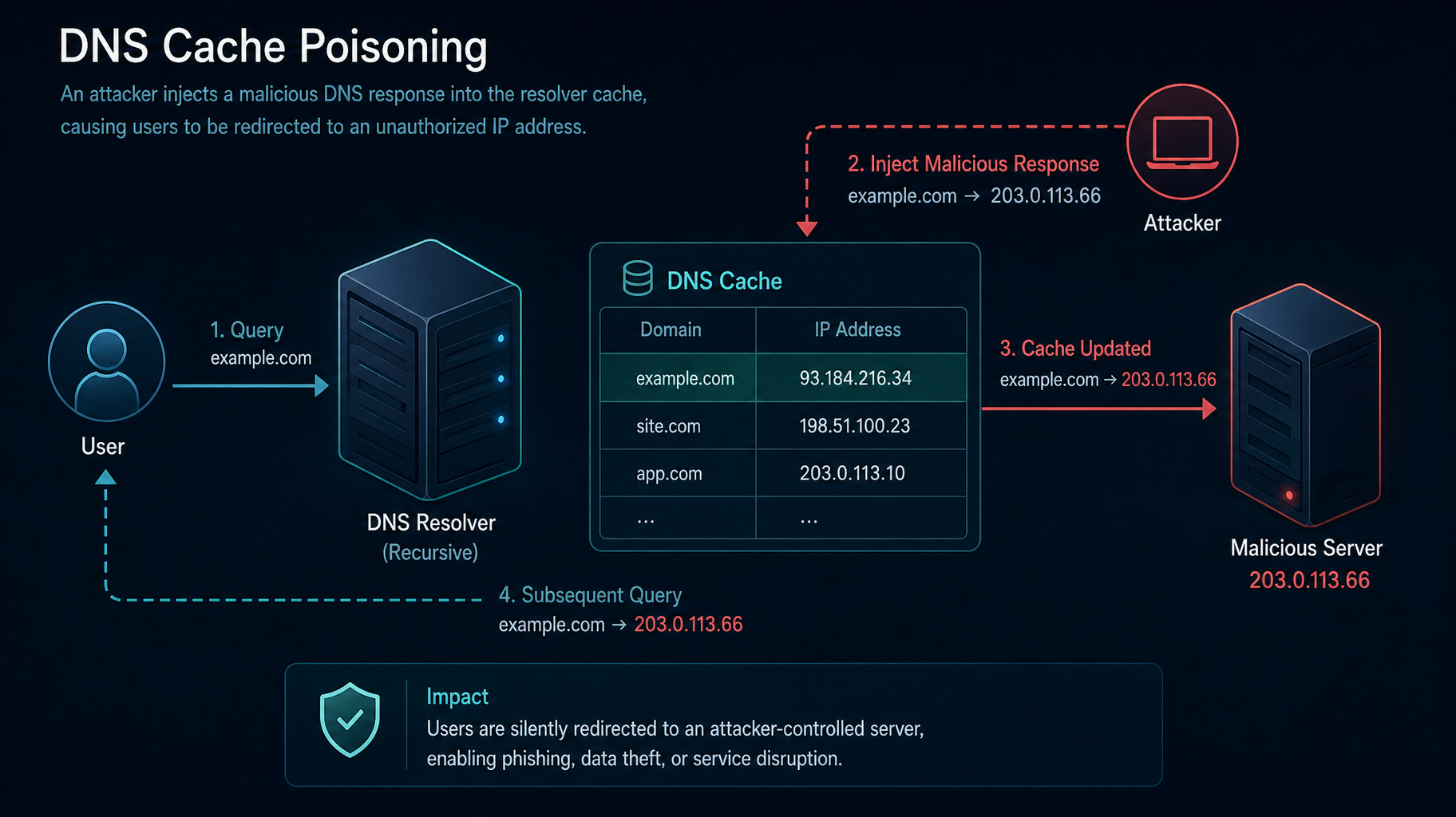
A technical diagram illustrating DNS cache poisoning and malicious IP injection.
DNS spoofing injects false data into resolver caches to redirect users to malicious destinations.

Common Threats to Domain Ownership

  • Domain Hijacking: Unauthorized transfer of a domain to another registrar, often through compromised credentials or social engineering.
  • DNS Spoofing / Poisoning: Injection of false DNS data into resolver caches, redirecting users to malicious destinations.
  • Registrar Account Compromise: Weak passwords or lack of two-factor authentication (2FA) allow attackers to gain control of domain settings.
  • WHOIS Exposure: Publicly visible registrant data can be used for targeted attacks or phishing.

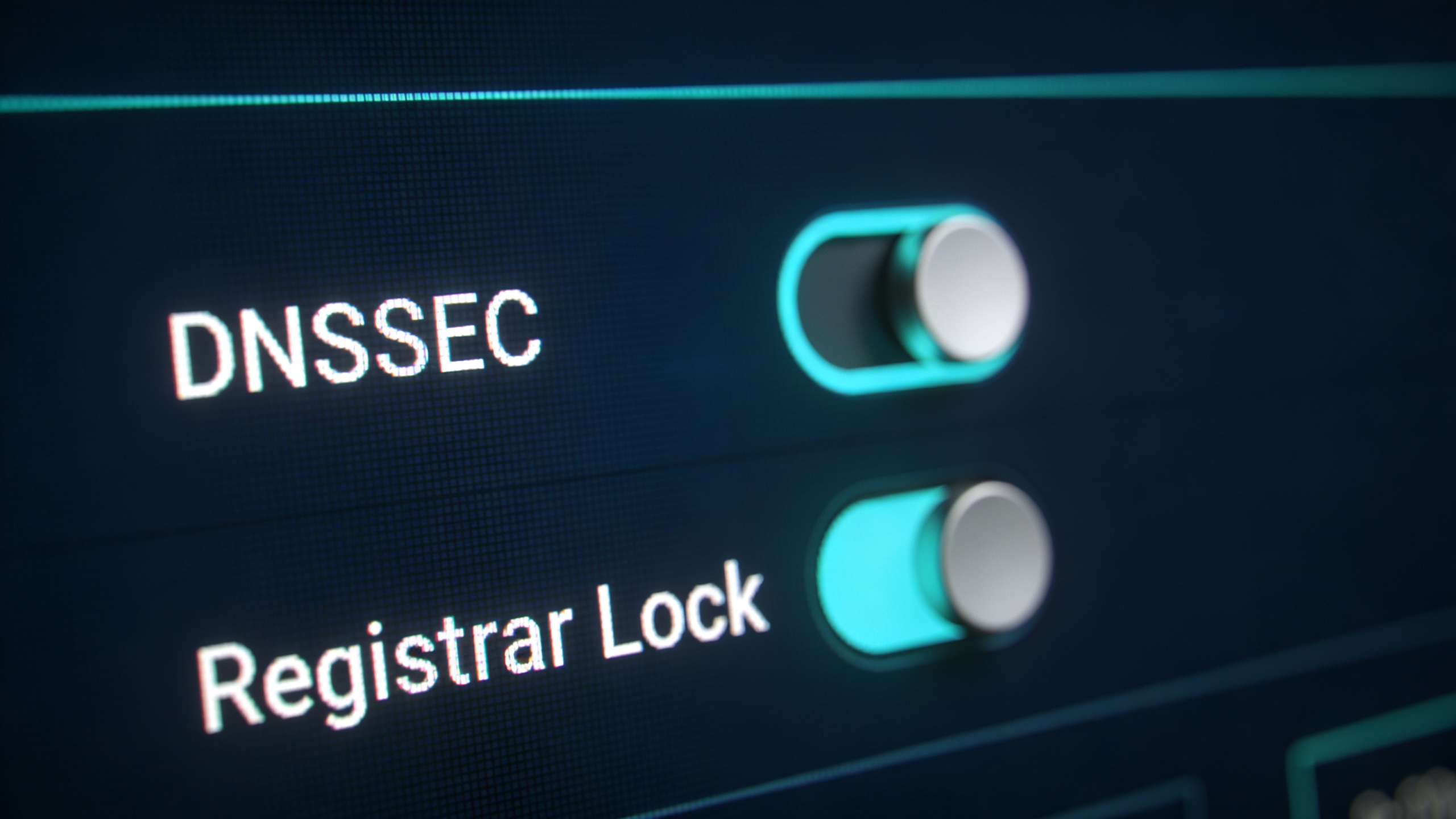
A domain settings dashboard showing DNSSEC and Registrar Lock toggles enabled.
Activating Registrar Lock and DNSSEC are critical steps to prevent hijacking and tampering.

Best Practices for Domain Protection

1
Registrar Account Security: Use strong, unique passwords, enable 2FA wherever supported, and strictly monitor login activity and access logs.
2
Domain Locking: Activate registrar lock to prevent unauthorized transfers. Always confirm the lock status after any registrar change or domain renewal.
3
DNSSEC Implementation: Enable DNSSEC to validate DNS responses with cryptographic signatures. This prevents tampering and ensures the integrity of DNS data.
4
WHOIS Privacy: Use WHOIS privacy services to mask personal contact details. This significantly reduces exposure to spam, phishing, and targeted attacks.
5
Regular Monitoring: Review DNS records and WHOIS data periodically. Set active alerts for unauthorized changes or unusual account activity.

A computer monitor displaying a registrar feature comparison table highlighting DNSSEC and 2FA support.
Choose registrars that offer native DNSSEC support, role-based access, and automated alerts.

Registrar Selection Criteria

Choose registrars that offer:

  • Transparent security policies
  • DNSSEC support
  • Role-based access controls
  • Automated alerts for domain changes
  • Reliable customer support for security incidents

Avoid registrars that lack basic protections or make security features optional.

Key Takeaways

  • Domains are prime targets for hijacking and DNS manipulation
  • Registrar account security is the first line of defense
  • DNSSEC and WHOIS privacy reduce exposure to spoofing and phishing
  • Regular monitoring and registrar lock prevent unauthorized changes
  • Domain security requires both configuration and vigilance