
Practical DNS: Propagation, Subdomains, and Troubleshooting
Apply the DNS resolution process to active environments and verify your setups with diagnostic tools.
Propagation Behavior
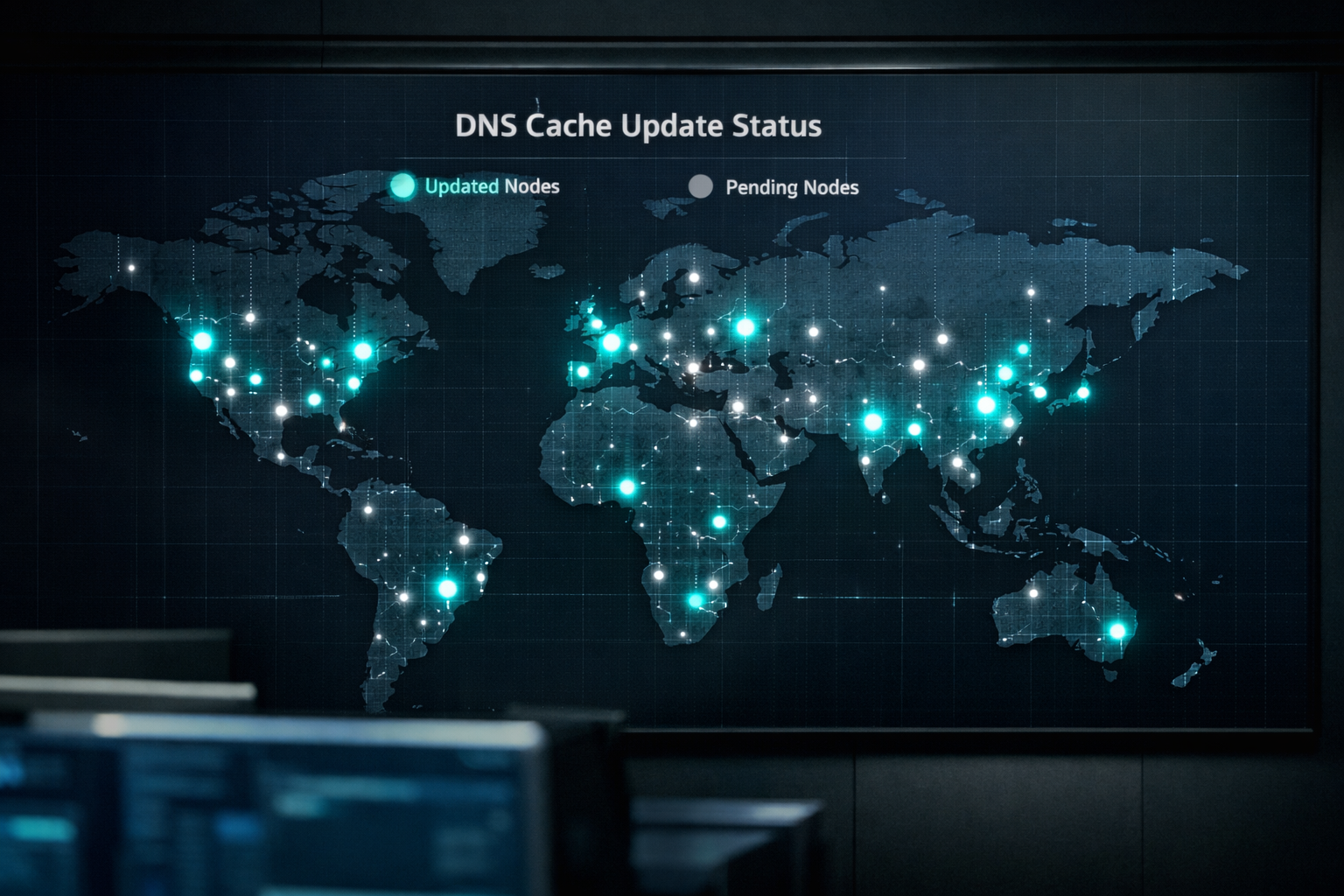
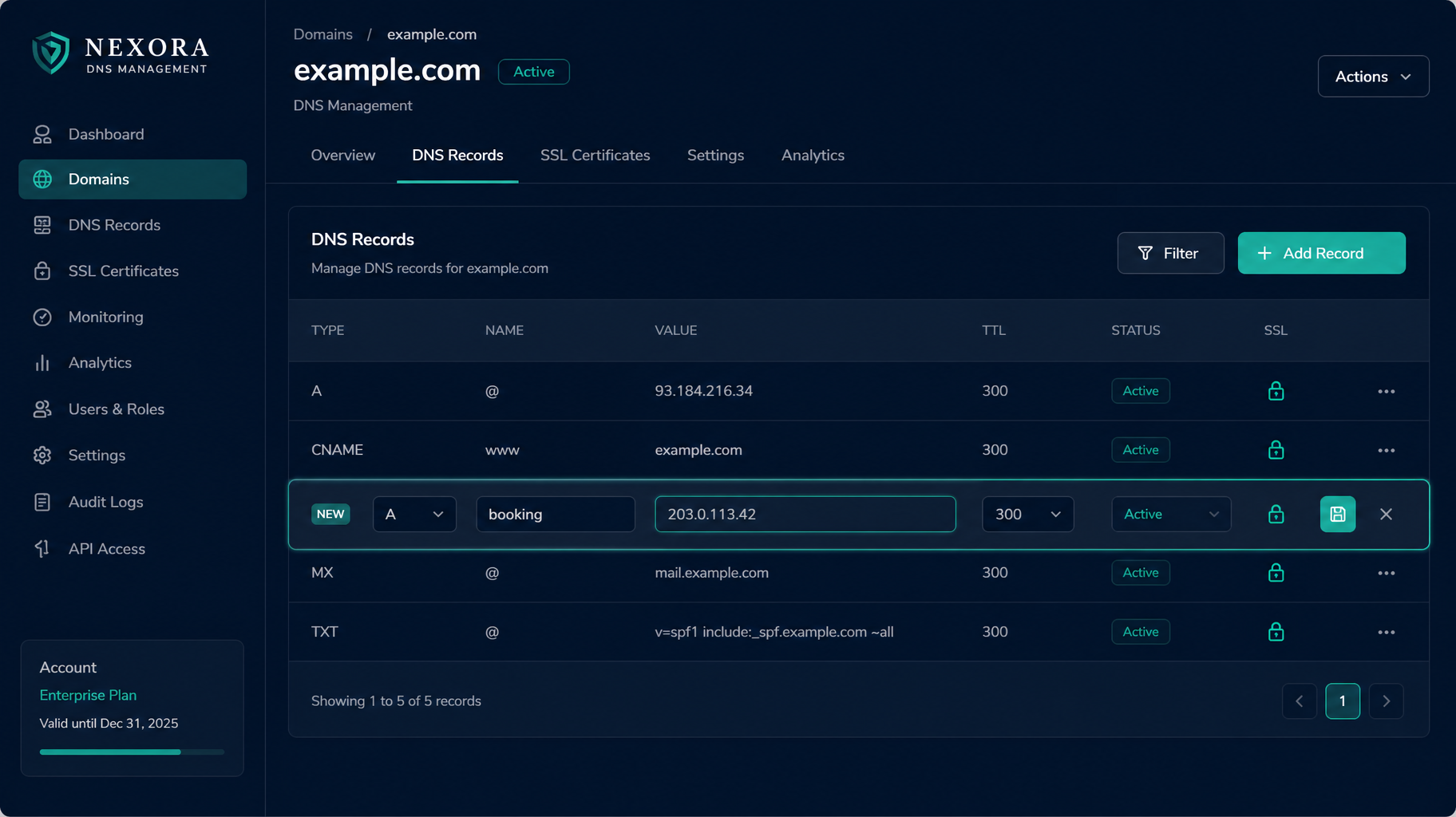
DNS changes do not take effect instantly across all networks. Factors influencing propagation include:
- TTL values set on each record
- Resolver cache duration at ISP level
- Geographic distribution of recursive resolvers
- CDN or DNS proxy layers that cache responses
During propagation, some users may reach the new server while others still resolve to the previous IP or receive errors.

Verification Tools and Techniques
dig +trace: Shows full resolution path from root to authoritative serverhost: Simple command-line utility for DNS lookups- Online tools: WhatsMyDNS.net, DNSChecker.org for global propagation status
- Browser dev tools: Inspect DNS timing under network tab
These tools confirm whether DNS changes have propagated and whether resolution is functioning as expected.
Key Takeaways
-
•DNS resolution behaves differently across networks due to caching and TTL
-
•Subdomain deployment requires DNS, server, and SSL alignment
-
•Misconfigurations can break resolution and block access
-
•Diagnostic tools help verify propagation and troubleshoot issues
-
•DNS changes should be tracked, tested, and validated before going live